
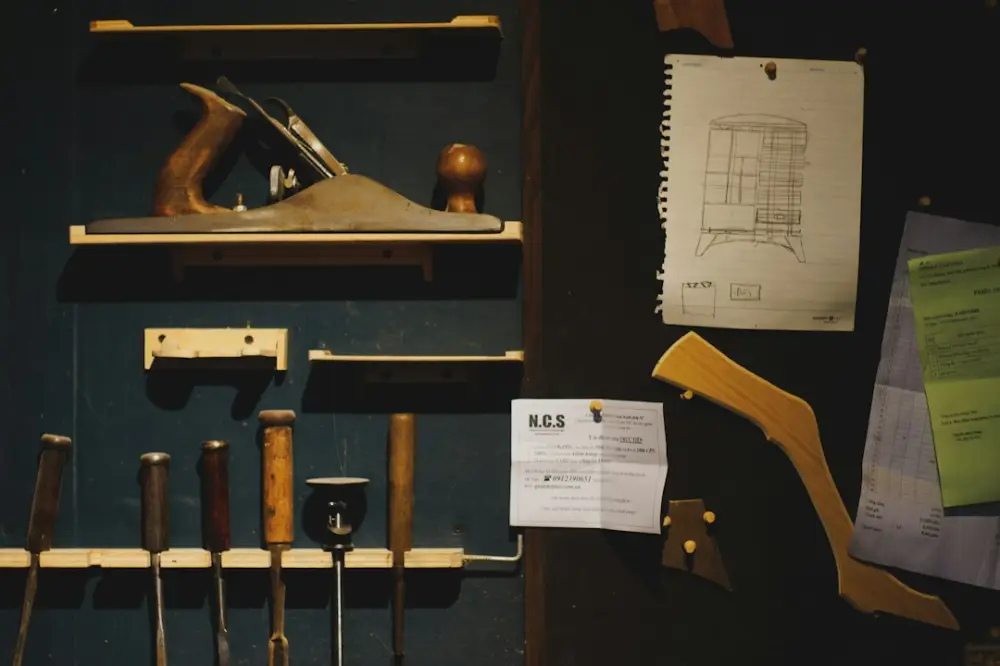
Starting a creative woodworking journey often begins with a few basic tools and a passion for making things by hand. As projects grow in complexity, many crafters find that they reach a plateau where self-taught methods may not provide the precision or efficiency needed for high-end furniture or structural home improvements. Transitioning from a casual hobbyist to a skilled artisan requires a deep understanding of wood properties, joinery techniques, and the rigorous standards expected in the industry. For those working from home studios or dedicated workshops, gaining a formal understanding of the trade can transform the quality of their output.
Moving beyond the basics involves more than just buying better machinery; it requires a structured approach to learning the craft. This progression often leads makers to look for ways to formalize their experience. By aligning personal practice with industry-recognized standards, woodworkers can ensure that their methods are not only creative but also structurally sound and safe. This path is particularly relevant in 2026, as the demand for bespoke, handmade wooden items continues to rise, and clients increasingly look for markers of quality and professionalism in the makers they commission.
Understanding National Vocational Qualifications in Woodworking
A National Vocational Qualification (NVQ) is a work-based way of getting a qualification that proves you can do a job to a specific standard. Unlike traditional classroom-based courses that focus heavily on theory, these qualifications are designed to assess your practical skills in a real-world or simulated work environment. For a woodworker, this means being evaluated on the ability to perform specific tasks, such as installing internal doors, creating timber frames, or finishing high-quality joinery. The assessment process involves building a portfolio of evidence, which may include photographs of work, witness testimonies, and professional discussions.
For the home crafter, this structure provides a clear roadmap for skill acquisition. It moves the maker away from trial and error and toward a systematic way of working. This is especially beneficial for those who may have learned through online videos or books but lack the feedback of a master craftsman. By following the criteria set out in these qualifications, you ensure that no part of the woodworking process is overlooked, from the initial site preparation to the final application of protective finishes. This article provides general information and should not be considered professional legal or health and safety advice.
Bridging the Gap Between Hobby and Professional Standard
The difference between a hobbyist project and a professional piece often lies in the details that are not immediately visible. Professional standards dictate specific tolerances for joints, the correct moisture content for timber used in different environments, and the appropriate selection of adhesives for various stresses. When you study the requirements of a formal qualification, you learn why certain methods are preferred over others. For instance, understanding the seasonal movement of wood is critical when building large tables or cabinetry; without this knowledge, a beautiful piece can crack or warp within its first year.
Formal training also emphasizes the importance of marking out with extreme precision. In a professional setting, a discrepancy of half a millimeter can be the difference between a drawer that glides smoothly and one that sticks. By adopting the habits of a certified professional, home crafters can reduce material waste and save time. The focus shifts from fixing mistakes to preventing them through better planning and more accurate execution of the initial cuts.
Essential Workshop Safety and Compliance
Safety is the most critical aspect of any woodworking space, yet it is often the area where self-taught makers have the most significant gaps in knowledge. Professional training covers the safe operation of high-risk machinery such as table saws, thicknessers, and routers. It also goes deep into the management of wood dust, which is a known health hazard. A professional approach involves implementing proper extraction systems and understanding the specific risks associated with different wood species, some of which can be toxic or cause severe allergic reactions.
Compliance with safety standards also has practical benefits for the home workshop. It ensures that your workspace is organized in a way that minimizes the risk of trips or fires. Learning how to maintain tools properly—keeping blades sharp and motors lubricated—not only makes the work safer but also significantly improves the quality of the finish. A sharp chisel requires less force to use, which leads to more control and a lower likelihood of the tool slipping and causing injury.
Practical Skills Covered in the Certification
The curriculum for a woodworking qualification is comprehensive, covering everything from basic hand tool skills to complex power tool operations. You will learn the intricacies of different types of wood, including how to identify various hardwoods and softwoods and understanding their specific applications. This knowledge is invaluable when choosing materials for outdoor furniture versus indoor cabinetry. While many hobbyists focus on aesthetic design, those looking to validate their practical expertise often pursue a Carpentry NVQ to demonstrate their competence to clients and insurers. This certification covers the core competencies required to work safely and effectively in various construction and renovation environments.
Beyond the physical act of cutting and joining wood, these qualifications also teach you how to interpret technical drawings and specifications. This is a vital skill for anyone looking to take on larger home renovation projects or custom commissions. Being able to read a blueprint accurately ensures that the components you build in your workshop will fit perfectly when they are installed on-site. It also allows for better communication with other tradespeople if you are working on a larger building project.
Creating a Professional Woodworking Space
Applying professional standards to your home workshop can drastically improve your creative flow. A professional-grade space is designed around the concept of "workflow," where the placement of the workbench, the wood storage, and the machinery follows the logical progression of a project. This reduces the amount of time spent moving heavy materials back and forth across the room. Proper lighting is another element often improved by following professional guidelines; task lighting over the workbench and shadow-free ambient lighting across the shop are essential for accurate work and safety.
Storage of tools and materials also benefits from a more disciplined approach. Keeping tools in dedicated shadows boards or cabinets protects them from damage and ensures they are always within reach. For the creative crafter, an organized space reduces mental clutter, allowing for more focus on the design and execution of the piece. When every tool has a place and the floor is kept clear of offcuts and sawdust, the workshop becomes a much more inviting and productive environment.
Long Term Benefits for the Creative Crafter
Holding a formal qualification provides a level of credibility that is hard to achieve through a portfolio alone. If you decide to sell your work or offer your services for home installations, having a certified background can help with obtaining the necessary business insurance. Many insurers view formal qualifications as a sign of lower risk, which can lead to more favorable terms. It also provides peace of mind to your customers, who will feel more confident commissioning expensive projects from someone with a proven level of skill.
The journey toward certification also connects you with a wider community of professionals and like-minded makers. This network can be a source of advice, inspiration, and even collaborative opportunities. As you master the techniques required for the qualification, you may find your creative horizons expanding. With a solid foundation in the rules of carpentry and joinery, you are better equipped to break those rules creatively, pushing the boundaries of what you can design and build in your own creative space. The investment in formalizing your skills pays dividends in every piece of furniture or structural element you create, ensuring they stand the test of time.