
Caring for custom woodwork involves maintaining the integrity of handmade furniture through controlled environmental conditions and proper cleaning methods. Unlike mass-produced items, custom pieces often feature specific finishes—like oils, waxes, or lacquers—that require gentle dusting, prompt spill cleanup, and seasonal humidity management to prevent warping, cracking, or finish degradation over time.
Solid timber furniture behaves differently than factory-made particle board because it is hygroscopic, meaning it absorbs and releases moisture. Since many handmade pieces use breathable finishes like tung oil or beeswax, they lack the thick plastic barrier of mass-produced items. This requires owners to be more mindful of environmental shifts to prevent the wood from warping or cracking.
If a piece requires structural repair beyond basic care, professional handyman services help maintain the integrity of the original design. However, for most day-to-day needs, the responsibility falls on the homeowner to understand the specific needs of the wood species and the finish applied by the maker.
Controlling Humidity and Sunlight Exposure
The most significant threat to handmade furniture is not use, but the environment. Wood expands and contracts as humidity levels fluctuate. In a dry winter, a tabletop might shrink, leading to small gaps in joinery; in a humid summer, those same fibers expand, potentially causing drawers to stick or panels to buckle. Keeping your home between 35% and 55% relative humidity is the standard for preserving fine woodworking.
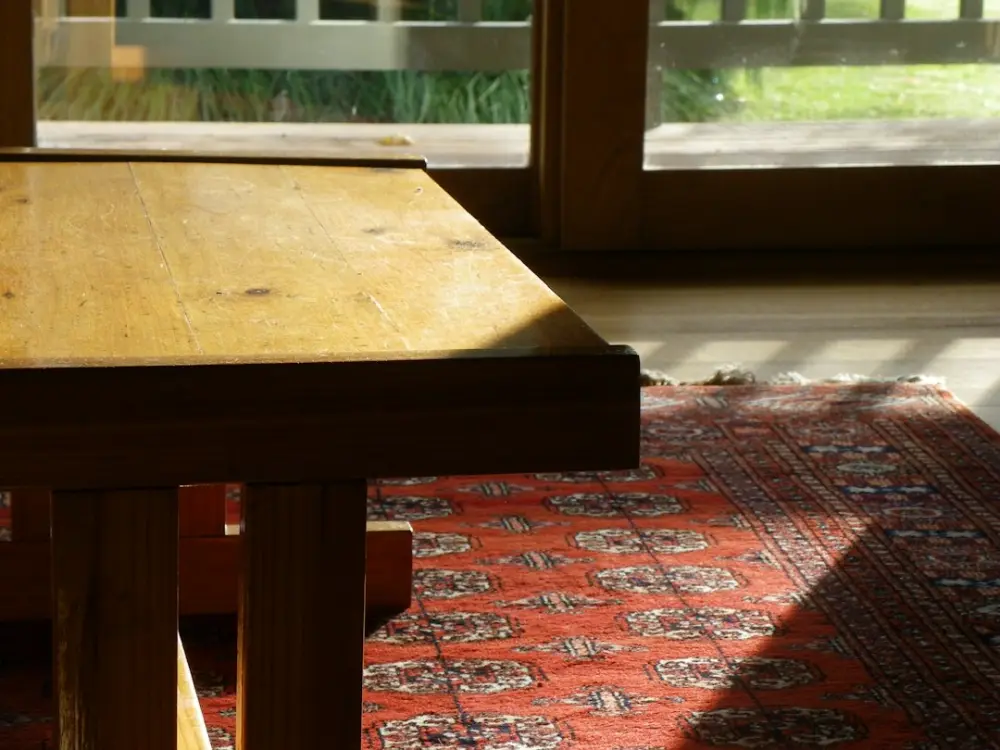
Sunlight is the second environmental factor to manage. Ultraviolet (UV) rays can chemically alter the lignin in wood, causing light woods like maple to yellow and dark woods like cherry to deepen into a rich mahogany hue. While some of this patina is desirable, uneven exposure can leave "shadows" on a tabletop where a lamp or vase once sat. Using UV-filtering window films or simply rotating the position of furniture in a sun-drenched attic studio can prevent these permanent tan lines.
Wood is subject to wood warping when internal stresses are released due to moisture changes. Using a simple digital hygrometer in your creative space allows you to monitor these shifts in real-time, giving you the chance to adjust a humidifier or dehumidifier before the wood begins to move.
Safe Cleaning Techniques for Handmade Surfaces
Cleaning custom woodwork is less about scrubbing and more about gentle debris removal. Avoid any commercial sprays that contain silicone or ammonia. Silicone creates a slick film that is nearly impossible to remove and will prevent future coats of finish from adhering to the wood. Instead, stick to a disciplined, low-moisture routine.
- Dry Dusting: Use a clean, lint-free microfiber cloth to remove surface grit. This prevents small particles from scratching the finish during deeper cleaning.
- Damp Wiping: If a surface is sticky or soiled, lightly dampen a cloth with distilled water and a drop of pH-neutral soap. Wring it out until it is barely damp to the touch.
- Grain Direction: Always wipe in the direction of the wood grain. This ensures that any microscopic marks left behind blend into the natural pattern of the timber.
- Immediate Drying: Follow up immediately with a second dry cloth. Never let water sit on a handmade surface, as it can penetrate the finish and cause white cloudy spots known as "blushing."
Maintenance Schedules for Oiled and Waxed Finishes
Many independent makers prefer penetrating oil finishes because they highlight the tactile nature of the wood. These finishes do not sit on top of the wood; they soak into the fibers. Over time, these oils can dry out, leaving the wood looking parched and making it more susceptible to staining. Understanding that custom woodworking is actually the next step in curating a thoughtful home means committing to a seasonal maintenance schedule.
For an oiled piece, such as a walnut desk or a white oak bookshelf, a fresh application of a high-quality furniture wax or a maintenance oil every six to twelve months is usually sufficient. Apply a small amount of paste wax with a soft rag, let it haze over for ten minutes, and then buff it off with a clean cloth. This creates a sacrificial layer of protection that takes the brunt of daily wear, preserving the wood underneath.
Common Mistakes That Damage Fine Wood Furniture
One of the most frequent errors is the use of "lemon oil" or "orange oil" cleaners that are actually mostly mineral spirits or petroleum distillates. These can dissolve traditional wax finishes and leave the wood unprotected. Another common mistake is placing hot items, like a coffee mug or a pizza box, directly on a finished surface. The heat can trap moisture against the finish, creating a white ring that often requires professional heat-treatment or sanding to remove.
Avoid placing furniture directly over heating vents or in front of fireplaces. The localized heat can dry out the wood much faster than the rest of the piece, leading to structural failure. Similarly, using plastic or rubber mats on a wood surface can cause a chemical reaction with certain lacquers, resulting in a softened or discolored finish that feels permanently tacky.
Preserving the Legacy of Your Handcrafted Pieces
Caring for custom woodwork is a slow, deliberate process that mirrors the craft of making the piece itself. By documenting the type of finish used—whether it was a hard-wax oil, a shellac, or a water-based lacquer—you ensure that future maintenance is consistent. Keep a small "care kit" in your workshop or utility closet containing the specific waxes and cloths recommended by the maker. This proactive approach transforms furniture from a disposable commodity into a lasting legacy.
For those building a creative life, caring for these items is as important as the initial build. Crafters Earth focuses on helping you navigate these nuances, turning a simple attic studio or a quiet woodworking corner into a place where handmade furniture remains a functional, beautiful centerpiece of the home for years to come.