Beginner’s Guide to Creative Crafting: How to Start Your First DIY Project
Creative crafting has become one of the most popular hobbies for people looking to relax, express creativity, and make something meaningful with their hands. DIY projects allow anyone to transform simple materials into beautiful, useful, or decorative items. The best part is that you don’t need professional skills or expensive tools to get started.
If you’re new to crafting, starting your first DIY project may feel overwhelming. However, with the right approach, materials, and inspiration, crafting can quickly become a rewarding and enjoyable activity. This beginner’s guide will help you understand how to begin your creative journey with confidence.
Why DIY Crafting Is a Great Hobby
DIY crafting offers more than just a creative outlet. It can improve focus, reduce stress, and provide a sense of accomplishment when you complete a project.
Some key benefits of creative crafting include:
Encouraging creativity and self-expression
Helping reduce stress and promote relaxation
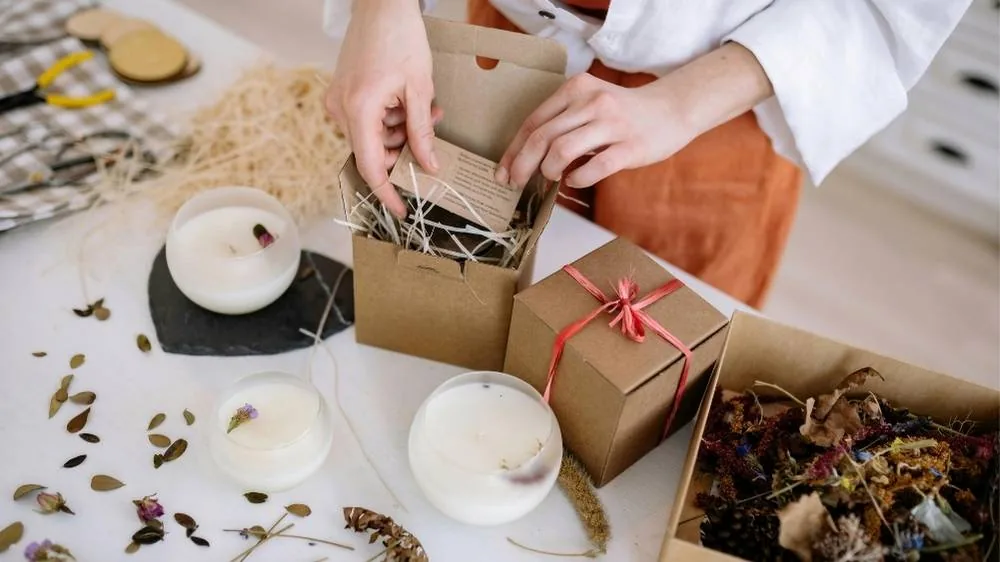
Creating personalized home décor or gifts
Learning new skills and techniques
Turning simple materials into unique handmade items
Because crafting projects come in many forms, there is something suitable for every interest and skill level.
Step 1: Choose a Simple DIY Project
The best way to start crafting is by selecting a simple and achievable project. Beginners often make the mistake of choosing complex crafts that require advanced skills or special tools.
Some beginner-friendly DIY projects include:
Handmade greeting cards
Decorated mason jars
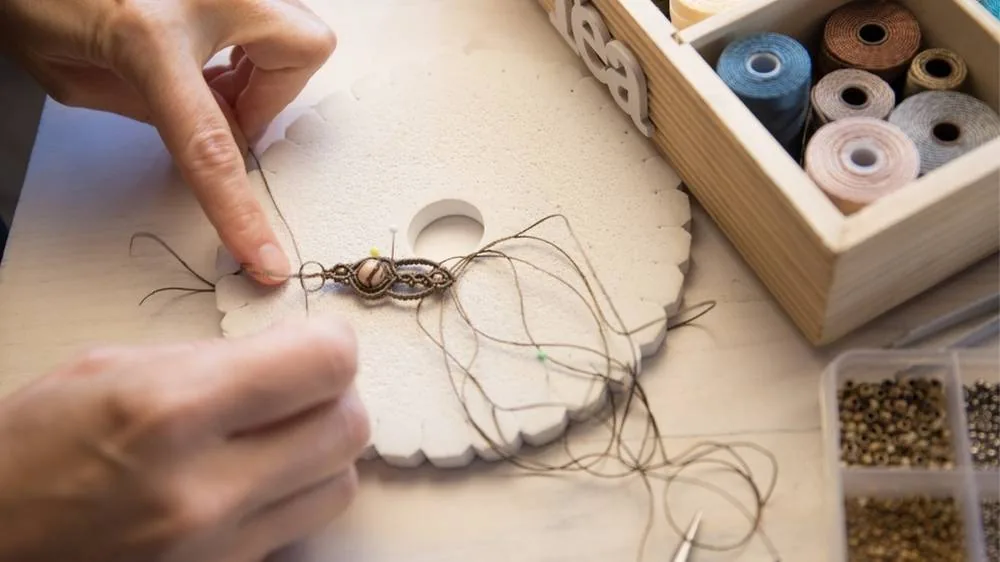
Simple beaded bracelets
Painted flower pots
Fabric wall art
Starting with a small project helps build confidence and allows you to enjoy the creative process without frustration.
Step 2: Gather Basic Crafting Supplies
Most DIY crafts require only a few basic materials. Having a small set of crafting supplies at home makes it easier to start new projects whenever inspiration strikes.
Common beginner crafting materials include:
Scissors
Craft glue or adhesive
Colored paper or cardstock
Paint and brushes
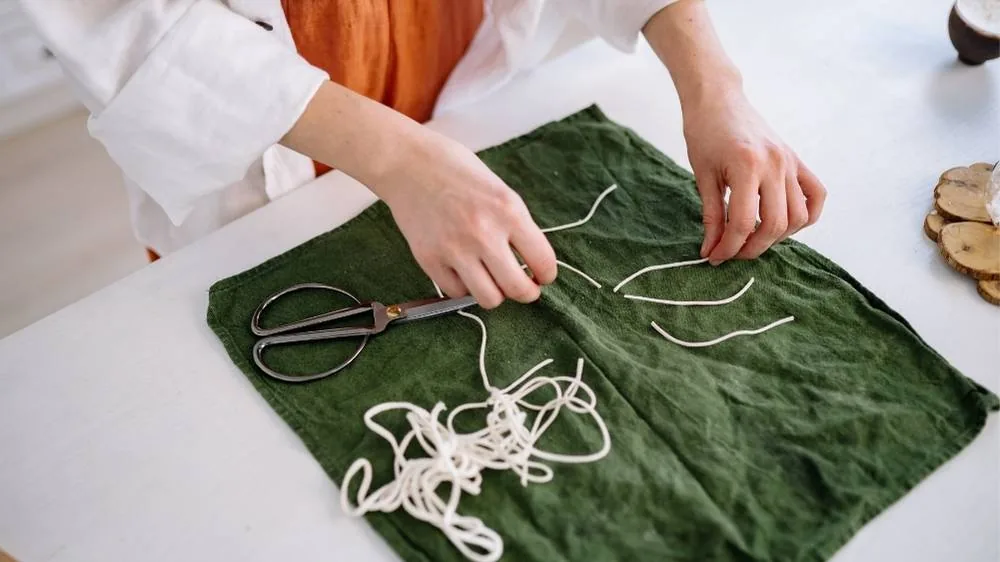
Twine or string
Decorative beads or buttons
Many crafting supplies can also be reused from items you already have at home, making DIY projects both affordable and environmentally friendly.
Step 3: Create a Comfortable Crafting Space
Having a dedicated space for crafting can make your creative sessions more enjoyable and organized. Your crafting area doesn’t need to be large—just a clean table or desk where you can work comfortably.
A good crafting space should include:
Proper lighting
Easy access to materials and tools
A protective surface such as a craft mat or newspaper
Storage containers for supplies
Keeping your workspace organized helps maintain focus and prevents unnecessary mess.
Step 4: Follow Tutorials and Inspiration
When starting your first DIY project, tutorials can provide helpful guidance and inspiration. Many beginner crafters learn techniques by following step-by-step instructions before experimenting with their own ideas.
You can find inspiration from:
Craft blogs and online tutorials
Social media crafting communities
DIY videos and step-by-step guides
Creative hobby magazines
These resources help you learn new techniques while building your confidence.
Step 5: Experiment with Creativity
Once you become comfortable with basic projects, don’t be afraid to experiment. Crafting is about creativity, so there is no single “correct” way to create something.
Try experimenting with:
Different colors and textures
Unique material combinations
Personalized designs or patterns
Recycled materials and upcycling ideas
Experimentation often leads to the most creative and unique results.
Step 6: Start Small and Build Your Skills
Creative crafting is a skill that improves with time and practice. Beginners should focus on small projects before attempting more detailed or technical crafts.
As your skills grow, you may explore more advanced projects such as:
Handmade home décor
Personalized gifts and decorations
DIY wall art and canvas designs
Jewelry making and fabric crafts
Each completed project builds confidence and expands your creative abilities.
Step 7: Enjoy the Process
One of the most important aspects of crafting is enjoying the process itself. DIY projects are not about perfection—they are about creativity, learning, and personal expression.
Many people find crafting relaxing because it allows them to slow down and focus on creating something tangible. Whether your project turns out exactly as planned or not, the experience itself is valuable.
Tips for First-Time Crafters
If you're just starting your DIY crafting journey, these tips can help make the process smoother:
Choose beginner-friendly projects
Use simple materials and tools
Follow tutorials for guidance
Stay patient and practice regularly
Focus on creativity rather than perfection
With time, crafting becomes easier and more enjoyable.
Conclusion
Starting your first DIY project is an exciting step into the world of creative crafting. By choosing simple projects, gathering basic supplies, and allowing yourself to experiment, you can quickly develop the skills and confidence needed to explore more advanced crafts.
Creative crafting offers a wonderful balance of relaxation and productivity, allowing you to turn simple materials into meaningful handmade creations. Whether you’re decorating your home, making personalized gifts, or simply enjoying a new hobby, DIY crafting opens the door to endless creative possibilities.